
A personal belief or faith system is one of the hardest things to understand and develop, because, for many of us, it is not as easy as following a preset tenet or inheriting a faith from our families.
As science evolves as we have increasing improved tools with which to gain knowledge and understanding of other cultures and phenomenon around us, the line between familial and communal, and personal belief and set of values becomes a chasm as we struggle to reconcile beliefs we have grown-up with with the world we experience around us.
Often, this process feels threatening and daunting, progressing through uncharted territory and feeling like betrayers by deviating from the well-trodden path. But, though this journey feels isolated, at the zenith we realise that it is purposefully designed to be so, to understand who we are as an individual separate from family, expectations, pressures, commitments and defined cultures. This path, to the formulation of an independent personal belief, lends an individualistic world view, helping understand our own motivations and aims in life.
These aims, mind, are not of a particular or “right” nature, because the world of personal belief systems is not black or white or grey, rather one with all the colours one can see and others still being discovered. Someone can visualise emotional goals, another material goals, or even just goals of self-realisation and acceptance, things they may already have achieved. Because, ultimately, we don’t live life by a set of rules (aside from legal laws!) or a checklist to complete, but to achieve a personal sense of contentment.
This personal belief wavers from person-to-person and it is next to impossible (if not impossible!) to find two people with the identical personal beliefs because it evolves with every miniscule thought that passes through our mind (yes, even ones we are unaware of), every conversation we have, every action we take (even the most mundane), for the purpose of this personal belief system is making yourself (and scientifically your nervous system) feel safe and calm.
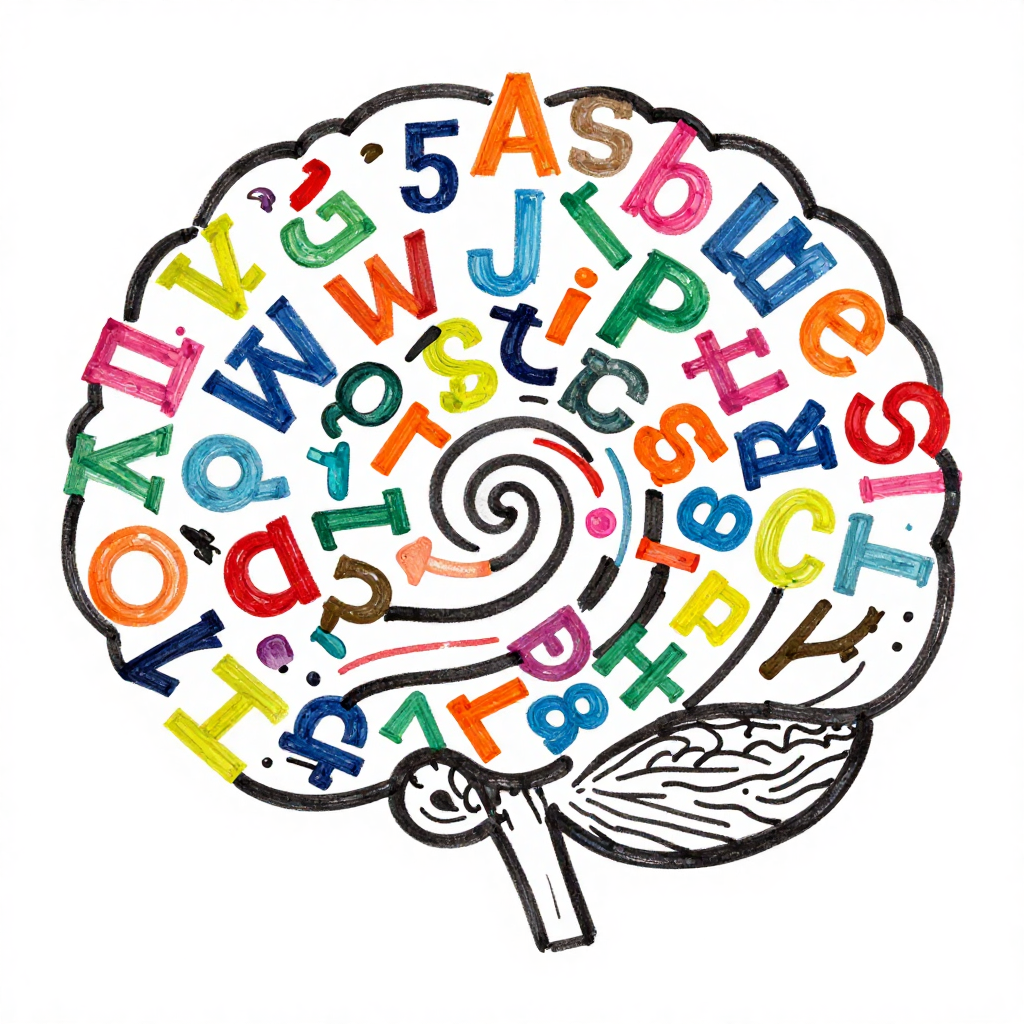
My personal belief system leans toward believing and having faith in myself. Even as a child, placing my faith in an external being with whom I felt no personal connection and trust was a challenge, often making me feel isolated and even occasionally envious of my peers and cousins who appeared so comfortable in following and continuing their familial beliefs. Being a science student definitively didn’t help.
But my innate curiosity to learn anything and everything I could about cultures, big and small, through written, visual and aural texts helped me come to my own conclusions and code of conduct, and to also feel confident. With the knowledge available to me today, my personal belief system is an amalgamation of not only other cultures, some intimately known to me while others only through external accounts, but also history, geography, and sociology, which has allowed me to not only adapt edicts in my own life but also granted me the ability to understand the reasoning behind these edicts established at a time and age which I can only imagine and partially understand.
And so, I believe that all cultures have a fundamental common thread tying them all together, a natural code of conduct inculcated in all humans, because how else could people from different cultures survive successfully together in a functional society? Following this method of inquiry, I think that the differences in culture are like evolutionary changes, small changes that accumulated over time based on the need of the hour dependent on the geographical location, and sociological and scientific understanding. Certain parallels across cultures have only served to strengthen my belief in this ideology, but I am equally (if not more!) confident that this personal belief system of mine will evolve over time, as I gain new and varied experiences, meet other people and am exposed to more cultures.
That, in my opinion, is the beauty of a personal belief system. It evolves over time, as do we, and is not restricted to a geographical place, particular sect of people, or historical time period. This belief system is what ultimately dictates our actions, responses and reactions, it guides us through life as an internal compass (and it need not always align with external “moral” codes!) with the aim of keeping us true to ourselves, to be happy and steering us towards contentment.
We like to label these personal belief systems, box them into defined definitions and club multiple people together under an umbrella term to more easily classify them. To that I say, there are not enough boxes to place each person in, because each person’s belief system, faith, and code of conduct is influenced by such multifaceted factors that no two people can have the exact cloned copies. A personal belief system is not only based on culture, but also on perspective, and thus has a unique individuality to it. Thus, while some aspects may be common, and may even superficially appear to be the same, the tiny differences are so subtle that they are very easily missed.
When we understand this, we grow comfortable in our own skin and have the forbearance to have constructive discussions, not derogatory or harmful ones, on the basis of belief system and faith, with others.
I would like to end this by paraphrasing something I heard a popular speaker say about their debates.
“I am not suddenly going to change and start believing what they [the other party] thinks, and they are not going to convert into my way of thinking. These are avenues to discuss and expand the horizons not only for us, but also for the audience who is exposed to new perspectives in our debate.”